
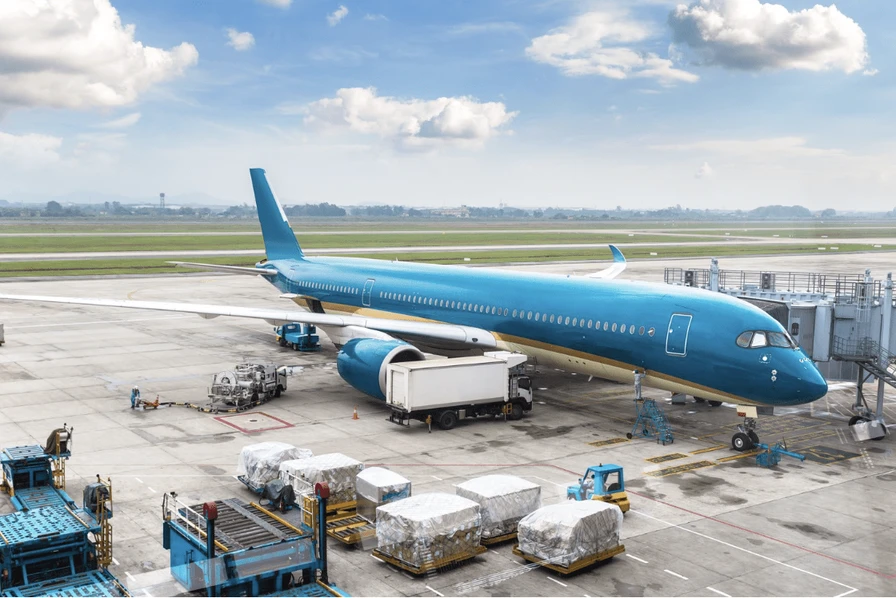
With our a strong position in the global airfreight business, the U-Freight Group notes that global air freight markets have been thrown into turmoil following a sharp drop in capacity linked to escalating disruption in the Middle East, forcing logistics providers to reroute shipments and absorb rapidly rising costs.
Airspace restrictions and reduced flight operations across key Gulf hubs have removed a significant portion of cargo capacity on major Asia–Europe routes. In some corridors, available space has fallen by as much as 40–70%, creating an immediate supply shock across the global network.
The impact on pricing has been swift. Spot air freight rates have jumped significantly in recent days, with Asia–Europe lanes seeing huge increases. Analysts say the spike reflects a classic squeeze: strong demand colliding with suddenly constrained supply.
Fuel costs are adding further pressure. With jet fuel prices climbing, airlines are introducing surcharges and risk premiums, pushing overall shipping costs even higher.
Freight forwarders are now racing to adapt. Many are avoiding traditional Middle Eastern transit hubs, instead routing cargo through alternative gateways in East Asia or relying on longer, multi-leg journeys. While these workarounds keep goods moving, they also add delays, complexity, and expense.
Unlike previous disruptions, demand for air cargo remains robust, driven by high-value sectors such as electronics and pharmaceuticals. This has intensified the strain on the reduced capacity.
The ripple effects are expected to extend beyond the logistics sector. Air freight accounts for a significant share of global trade by value, meaning sustained cost increases could feed into higher prices for consumer goods and industrial components worldwide.
With no immediate resolution in sight, industry players are bracing for continued volatility, and a potential long-term shift in how global air cargo is routed.
The U-Freight Group is in close and continuous dialogue with our partners to assess the impact and maintain service continuity. We will promptly share any significant updates regarding affected shipments once they are confirmed. If you have cargo currently in transit or scheduled for shipment to or from the region, we encourage you to reach out to your local U-Freight representative for guidance.
As the situation continues to evolve, we remain committed to monitoring developments closely to provide swift responses and maintain smooth operations.
The U-Freight Group will continue to issue updates as the situation evolves, but for more information about our contingency plans please contact us. For more information about the U-Freight Group’s global air freight forwarding and logistics services, or our e-commerce logistics operations, please visit the relevant pages of this website or contact your local office, details of which can be seen here: https://ufreight.com/locations
