
With a strong presence in the global container shipping arena, the U-Freight Group has noted that in the past few years, there has been a lot of hype about the growing ship traffic along the Arctic routes.
But recent analysis shows that while Arctic shipping has indeed surged, growth remains uneven. In a new report, credit insurance firm Coface said that the commercial impact of Arctic shipping routes is likely to remain marginal within the next five years. Nevertheless, Arctic routing offer significant benefits for certain commodity flows.
With climate change opening up navigation in the Arctic, the region is being seen as a viable alternative to the traditional routes. Add to the fact that critical chokepoints are also increasingly facing disruptions due to geopolitical tensions and drought. These factors combined have raised the transport viability of the Arctic. Arctic routes also offer reduced sailing distances – up to 40% less between East Asia and Northern Europe.
While the Arctic shipping outlook appears favourable, Coface’s analysis indicates that the region’s routes will primarily attract the transport of raw materials. Arctic routes will particularly offer significant cost savings to liquid bulk shipping (crude oil, diesel or LNG). Dry bulk is another segment that is likely to find Arctic shipping competitive, but only when ships can operate without icebreaker support.
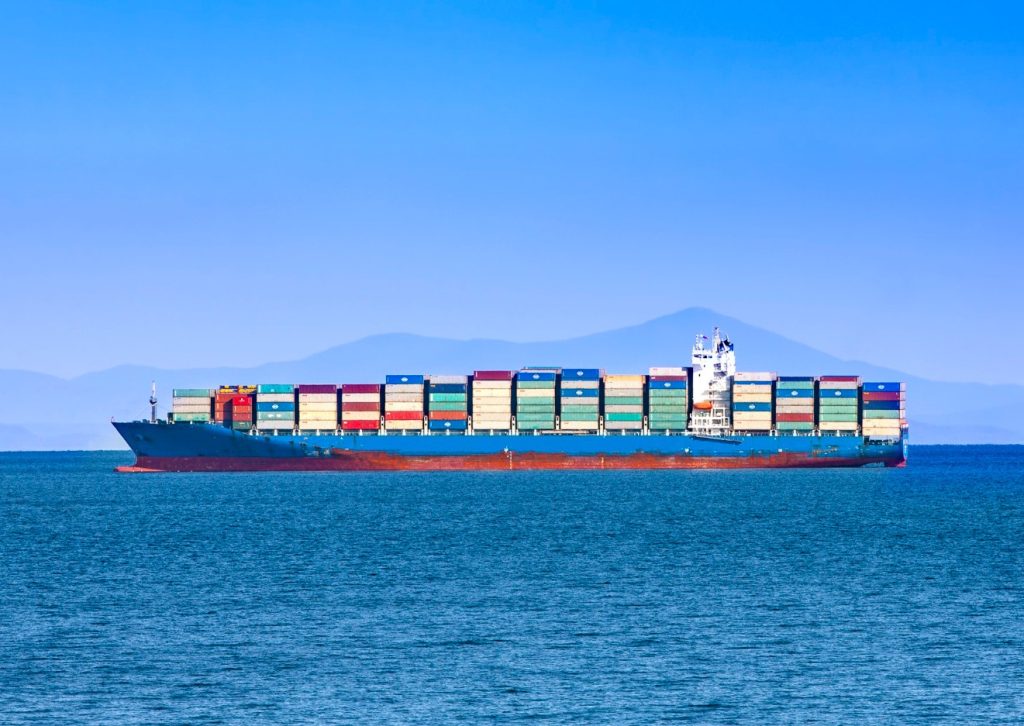
On the other hand, the Arctic is expected to remain uncompetitive for container shipping, despite the shorter distances. Operational constraints, the limited size of vessels and the specific costs of Arctic navigation prevent it, at this stage, from competing with the economies of scale of traditional routes.
In the short term, Coface sees the value of Arctic routes as more political than commercial, and said: “Until container transport becomes economically viable on a large scale, the Arctic routes are unlikely to radically disrupt the major balances of global trade.”
For expert advice or further information about our ocean freight services, please contact your local U-Freight office or visit the ocean freight section of this website.
Arctic routes to remain peripheral, especially for container ships
28
4 月
4 月
