
With our portfolio of international container shipping services for LCL and FCL cargoes, the U-Freight Group notes that according to analysis highlighted by the Journal of Commerce, a growing imbalance between vessel capacity and port-side infrastructure is emerging as a critical risk for global container supply chains.
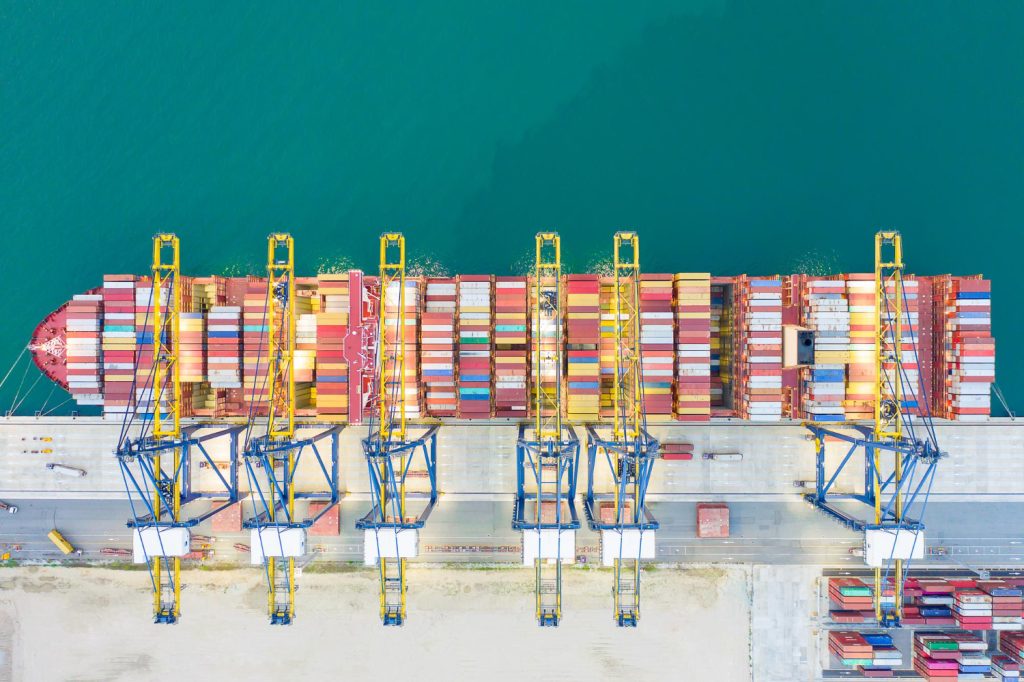
The article explains how the rapid expansion of ultra-large container vessel fleets is significantly outpacing investment in landside and terminal infrastructure, raising concerns that ports and inland networks will struggle to handle future volumes. The current order book for new ships risks creating a scenario where capacity exists at sea, but insufficient berth space, terminal handling capability, and hinterland connections limit throughput.
Industry observers warn that this mismatch could shift the industry’s primary chokepoints away from traditional maritime routes — such as geopolitical hotspots — to congestion on land. Many major port hubs are already operating close to capacity, with inland transport systems, including trucking and rail links, under increasing strain.
The implications for shippers and logistics providers, such as ourselves are significant. Even as carriers invest heavily in new tonnage to improve economies of scale and service frequency, the lack of parallel development in port infrastructure, storage facilities, and inland distribution networks threatens to erode these gains. Without coordinated investment, supply chain bottlenecks could intensify, leading to longer dwell times, increased costs, and reduced reliability.
The issue also underscores a broader structural challenge for the industry: while vessel deployment can be adjusted relatively quickly, infrastructure development requires long lead times, regulatory approvals, and substantial capital investment. This lag creates a growing risk that landside capacity will become the defining constraint on global container flows over the coming decade.
For freight forwarders and logistics service providers such as U-Freight, the trend highlights the importance of integrated supply chain solutions, proactive routing strategies, and close coordination with port and inland service providers to mitigate emerging congestion risks.
As container shipping continues to evolve, the focus is increasingly shifting beyond the ocean leg towards the efficiency and resilience of the entire end-to-end logistics chain.
For expert advice or further information about our freight forwarding and logistics services, please contact your local U-Freight office or visit the ocean freight section of this website.
Landside constraints set to become container shipping’s next major bottleneck
30
4 月
4 月
