
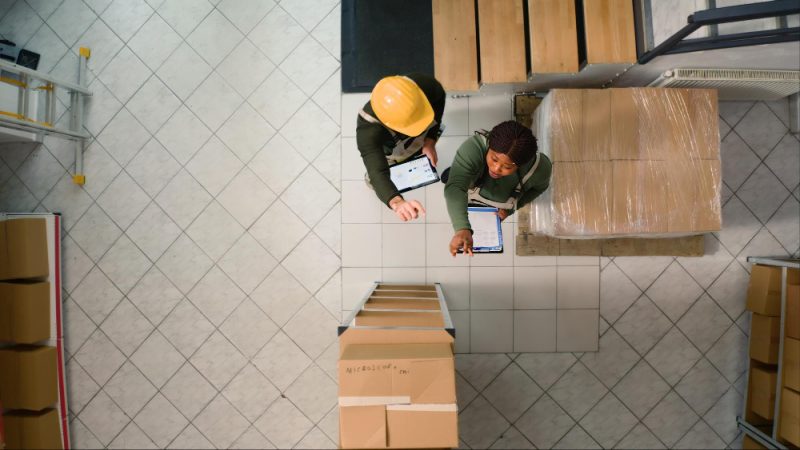
In the world of international trade, Incoterms (International Commercial Terms) serve as the universal language defining the responsibilities of buyers and sellers. Among the 11 Incoterms® 2020 rules, one stands out for placing maximum responsibility on the buyer and minimum obligation on the seller: EXW (Ex Works).
Whether you are a first-time importer or an experienced exporter, understanding Ex Works is crucial for calculating accurate costs, managing logistics, and avoiding unexpected risks. This guide will explain the definition of EXW, its key aspects, and when you should (or shouldn’t) use it.
Definition of EXW
EXW (Ex Works) is an Incoterms® rule applicable to any mode of transport—air, ocean, ground, or multimodal. Under the EXW Incoterms rule, the seller fulfills their delivery obligation when they make the goods available at their premises or another named place (such as a factory or warehouse).
Crucially, the seller is not responsible for:
- Loading the goods onto the buyer’s collecting vehicle
- Clearing the goods for export
- Paying any export duties or taxes
From the moment the goods are made available, the buyer assumes all costs and risks involved in transporting them to the final destination. As one logistics expert puts it, the seller’s only job is to have the products packaged and ready for pickup at the designated location.
Pros and Cons
| Party | Advantages | Disadvantages |
|---|---|---|
| Seller |
|
|
| Buyer |
|
|
When Should You Use EXW?
As the ICC’s official Incoterms® 2020 checklist advises, EXW is primarily suitable for domestic trade, and exporters should be aware of the complexities it can create in international transactions.
- Domestic Trade: EXW works best for deliveries within the same country, where goods don’t need to clear customs at borders. The buyer simply arranges pickup without dealing with international paperwork.
- Consolidated Shipments: When sourcing from several factories in the same area, EXW lets you take control of collection and combine everything into one shipment. This approach cuts transport costs and gives you flexibility in choosing carriers.
- Experienced Logistics: This term suits importers who have reliable logistics partners in the seller’s country. A good freight forwarder can handle the pickup, loading, and export procedures that many foreign buyers find challenging.
Ready to master your EXW shipments? 联络我们 now and discover how we can simplify your global trade logistics
