
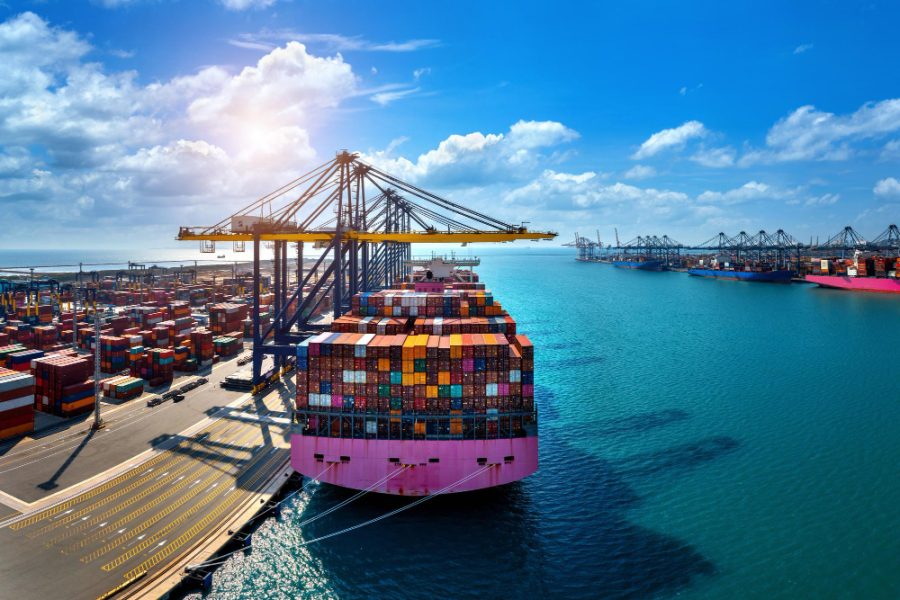
The redeployment of tonnage to the Asia-US trade route through major transshipment ports is causing vessel bunching at major hubs in Asia, slowing cargo and soaking up functional capacity when US importers need it most. This makes interesting reading for the U-Freight Group with our portfolio of international container shipping services, many of which transit…

17
6 月
6 月
A warning of geopolitical threats to global supply chain stability was issued last week, Xeneta. Conflict between Israel and Iran could effectively close the Strait of Hormuz — a key route for container ships in the Middle East Gulf – the freight rate benchmarking and analytics platform said. With our portfolio of international container shipping…

16
6 月
6 月
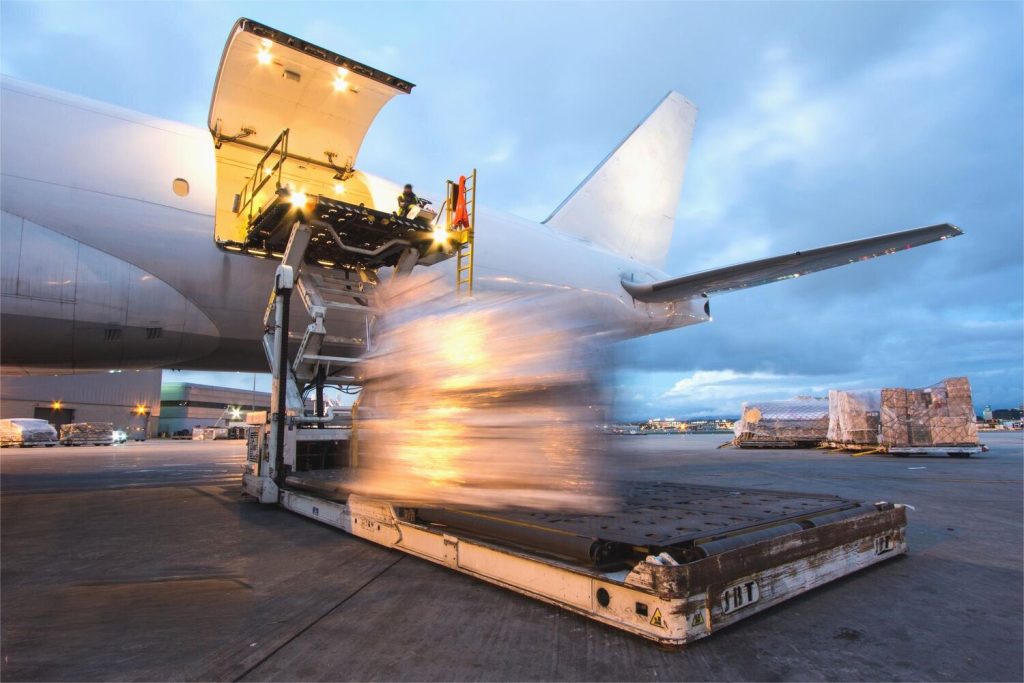
U-Freight has a major regional logistics hub in Singapore, offering a wide portfolio of international freight and logistics services, and was pleased to see a delegation from the Lion City promoting the island state as a stable logistics hub at the recent Logistics and Transport event in Munich. The delegation explained how Singapore wants to…
11
6 月
6 月
With our a strong presence in the expedited international airfreight business, we were interested to read an article on the Air Cargo News website in which Damian Brett writes that the latest monthly figures produced by analysts and consultants show that air cargo had another escape in terms of demand levels in May, but rates…

10
6 月
6 月
With U-Freight’s strong presence in the global container shipping arena, we note that Drewry’s World Container Index rose a further 41% to USD 3,527 per 40ft box on average in the last week. That means the WCI has increased 70% in the last 4 weeks, as President Donald Trump’s “pause” on import tariffs led to…

09
6 月
6 月
Recently, there have been some interesting articles about the state of the global container shipping market, which have been of interest to the U-Freight Group, with our portfolio of LCL and FCL services in the oceanfreight environment. On the Shipping247 website, Sam Chamber writes that the Red Sea shipping crisis – and the need to…

06
6 月
6 月
As demand slows and the ability to add fuel surcharges goes away, airlines are expected to see cargo revenues contract 4.7% this year. This was part of the latest announcement by IATA, which makes interesting reading for the U-Freight Group, with our strong presence in the expedited international airfreight business. IATA downgraded its guidance for…

03
6 月
6 月
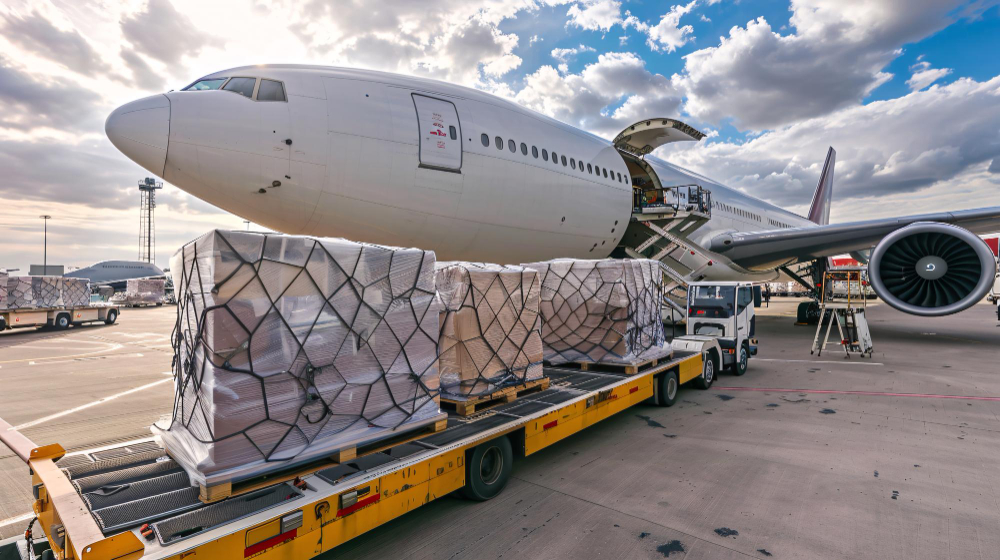
A feature on the Air Cargo Week website reports that Singapore’s Changi Airport has emerged as a pivotal force in the surging Asia-Pacific (APAC) airfreight landscape, closing 2024 with a 14.6 percent surge in airfreight throughput to 1.99 million tonnes. This robust growth, bolstered by strong recovery in the electronics sector and stronger cargo flows…
01
6 月
6 月
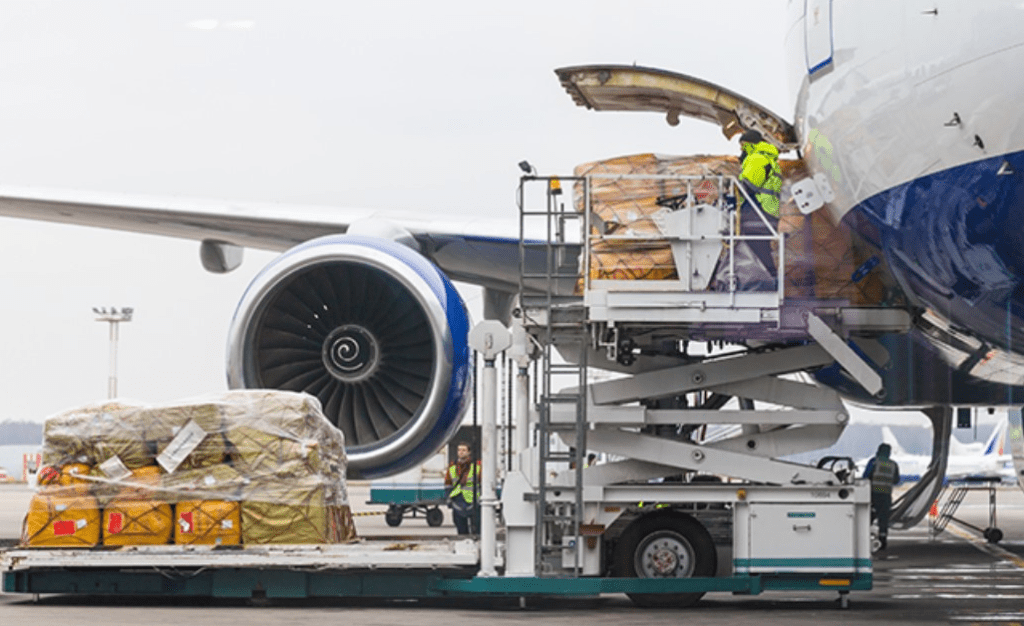
With our strong presence in the expedited international airfreight business, the U-Freight Group notes that air cargo demand grew by 5.8% in April, according to IATA, which warned that stresses faced by world trade are no secret. The growth measured in cargo tonne kilometres (CTK) built on March’s strong performance with total demand up 5.8%…
28
5 月
5 月
With our global presence in the air cargo market and historically strong position in the trans-Pacific trade, the U-Freight Group notes that there has been a sharp decline in trans-Pacific air cargo demand following the U.S. removal of duty-free status for low-value imports from China on May 2. The change to the “de minimis” exemption,…
